

Contact us
E.mail : infos@eyecare.com
Address : 1 Dmshek,Maadi, Cairo
Eye Care : Sat. - Thu. 9:00am - 10:00pm

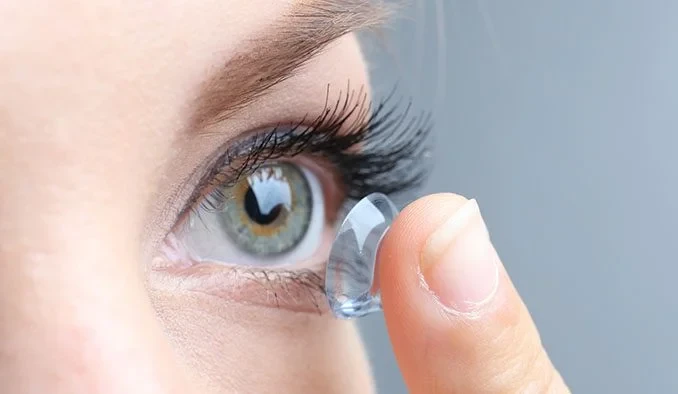
Hard contact lenses Unit
Specialty Rigid Contact Lens Unit
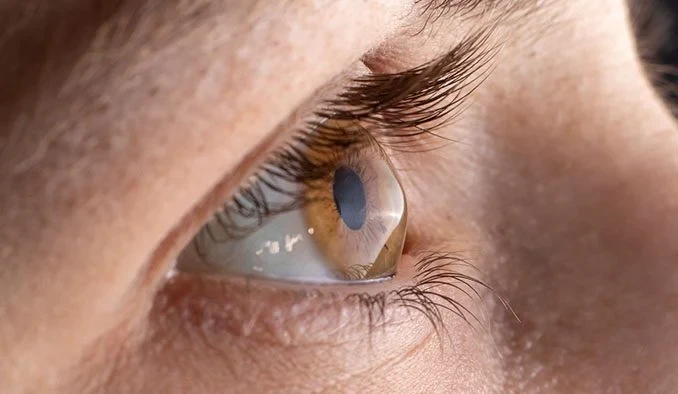
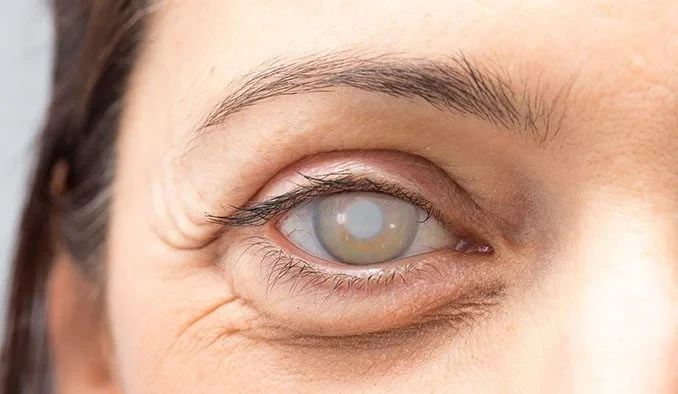
Irregularities in the corneal surface can significantly affect visual quality and may cause substantial vision impairment that cannot be adequately corrected with conventional prescription glasses. This can occur in conditions such as keratoconus and other corneal surface disorders.
A Specialized Unit at Eye Care Center
Eye Care Center provides a specialized unit for the assessment, fitting, and customization of rigid and specialty contact lenses to help patients with irregular corneal surfaces achieve improved visual quality.
These lenses create a more regular optical surface in front of the cornea, helping to reduce the visual effects of corneal irregularities and improve clarity in suitable cases.
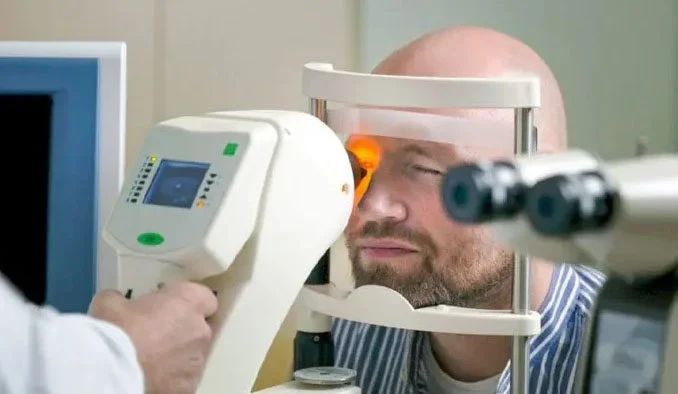
Each lens is selected and customized according to corneal measurements, the patient's condition, and individual visual needs. The assessment may include corneal curvature measurements, corneal mapping, and evaluation of the degree of corneal irregularity.
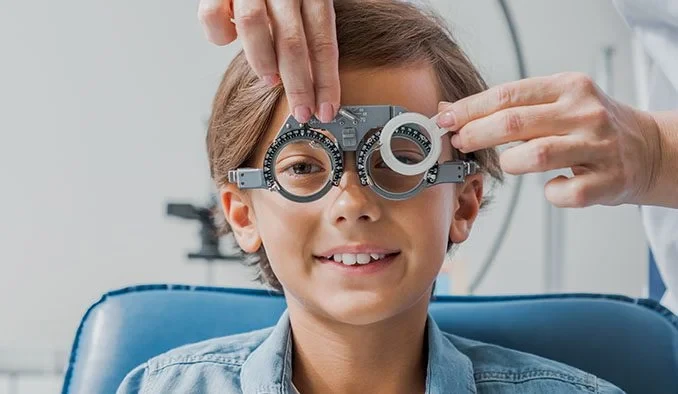
Our specialized consultants determine the most appropriate lens type and design for each patient, taking into consideration lens fit, comfort, stability, and visual performance, followed by regular assessments and follow-up.
Conditions That May Benefit from Specialty Rigid Contact Lenses
-
Keratoconus.
-
Irregular corneal surfaces following refractive surgery.
-
Corneal irregularities following corneal transplantation.
-
Corneal irregularities resulting from eye injuries or previous surgeries.
-
Selected cases of irregular astigmatism that cannot be adequately corrected with conventional glasses.
The potential benefits vary from patient to patient. Suitability is determined following a comprehensive eye examination and the necessary measurements.
Benefits of Specialty Rigid Contact Lenses
-
Improved visual clarity in cases of corneal irregularity.
-
A more regular optical surface in front of the cornea.
-
Customized lens designs based on individual eye measurements.
-
Different lens types and designs to suit a variety of conditions.
-
Improved functional vision for some patients who do not achieve satisfactory results with conventional glasses.
Instructions for Inserting Rigid Contact Lenses
To ensure proper lens insertion, patients should follow these steps after receiving practical training from the specialized team:
-
Prepare the lens, recommended lens solution, mirror, and any necessary accessories.
-
Wash your hands thoroughly with soap and water, then dry them completely with a clean, lint-free towel.
-
Remove the lens from its case and inspect it for cracks, chips, or damage along its edges.
-
Place the lens on the tip of your index finger and apply the appropriate solution or lubricant as instructed by your specialist.
-
Use the fingers of your other hand to hold the eyelids open, preventing the eyelashes from interfering with lens insertion.
-
Look straight ahead into the mirror and gently place the lens onto the eye without applying pressure.
-
Slowly release your eyelids and blink gently several times to allow the lens to settle into position.
-
Repeat the process for the other eye, making sure to use the correct lens for each eye.
Lens Care and Storage Instructions
-
Use cleaning and disinfecting solutions specifically recommended for your type of contact lenses.
-
Never use tap water or saliva to clean, rinse, or wet your lenses.
-
Clean and store your lenses according to the instructions provided for your lens type and care solution.
-
Clean the lens case with the recommended solution and allow it to air-dry after use. Replace it as advised by your specialist.
-
Avoid wearing your lenses while sleeping unless specifically instructed by your eye care professional.
-
Never share your lenses or lens care accessories with anyone.
-
Attend scheduled follow-up appointments to ensure proper lens fit and maintain corneal health.
When Should You Stop Wearing Your Lenses?
If you experience eye pain, significant redness, severe light sensitivity, or sudden blurred vision, remove your lens and do not wear it again until your eye has been assessed by an ophthalmologist.
Our Goal at the Specialty Contact Lens Unit
Our goal is to provide customized visual solutions that meet each patient's needs through accurate assessment, individualized lens fitting, and ongoing follow-up, helping patients achieve the best possible visual quality while maintaining corneal health and eye safety.

Connect Us