

Contact us
E.mail : infos@eyecare.com
Address : 1 Dmshek,Maadi, Cairo
Eye Care : Sat. - Thu. 9:00am - 10:00pm

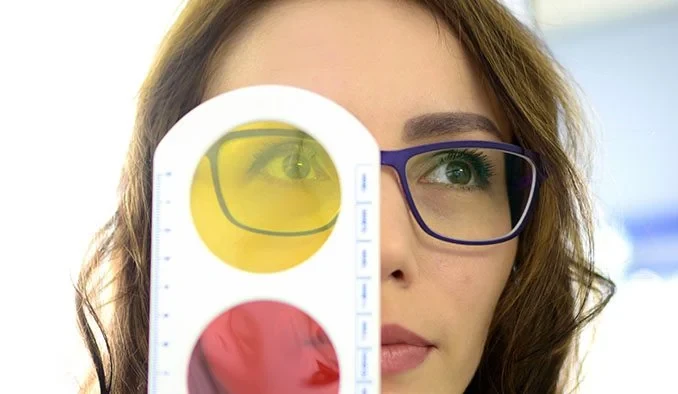
Low vision aids Unit
Low Vision Aids & Rehabilitation Clinic
The Low Vision Aids Clinic at Eye Care Center specializes in helping people whose vision cannot be adequately improved with conventional prescription glasses or contact lenses due to eye diseases or damage affecting their visual function.
The clinic aims to make the best possible use of each patient's remaining vision through a range of specialized optical aids, electronic devices, and assistive technologies. These solutions can help patients with reading, writing, recognizing details, and performing everyday activities with greater comfort and independence.
A variety of visual aids and technologies may be considered following a comprehensive assessment of the patient's visual abilities, condition, and individual needs.
What Are Low Vision Aids?
Low vision aids are specialized tools and devices designed to help people with significant visual impairment make better use of their remaining vision.
Unlike conventional prescription glasses, which correct refractive errors such as myopia, hyperopia, and astigmatism, low vision aids are intended to support visual tasks that have become difficult due to eye disease or damage.
Who May Benefit from Low Vision Aids?
People with eye conditions that affect visual quality may benefit from low vision aids, particularly when conventional glasses or available medical treatments do not provide sufficient visual improvement.
These conditions may include:
-
Age-related macular degeneration (AMD).
-
Advanced diabetic retinopathy.
-
Inherited retinal diseases, such as retinitis pigmentosa.
-
Optic nerve damage or atrophy.
-
Advanced glaucoma in selected cases.
-
Vision loss resulting from eye injuries or other eye diseases.
The level of benefit varies depending on the underlying condition, the severity of vision loss, and the patient's remaining visual function.
Types of Low Vision Aids
Different types of visual aids are available, and the most appropriate option depends on the patient's individual needs and daily activities.
1. Optical Aids
These devices use magnification to make images and details easier to see. Examples include:
-
Handheld magnifiers.
-
Illuminated magnifiers.
-
Stand magnifiers for reading.
-
Specialized magnifying glasses.
-
Small telescopic devices for distance viewing in suitable cases.
2. Electronic and Digital Aids
These technologies use digital magnification and image enhancement to support visual tasks. They may include:
-
Electronic video magnifiers.
-
Digital magnification screens.
-
Portable electronic magnification devices.
-
Smartphone and computer applications designed to enlarge text and improve visibility.
3. Non-Optical Aids
These solutions improve visual performance without relying solely on optical magnification. Examples include:
-
Appropriate and directed lighting for reading.
-
Large-print books and materials.
-
Contrast enhancement and suitable background colors.
-
Tools that support reading, writing, and everyday activities.
The Importance of Low Vision Aids and Rehabilitation
Low vision rehabilitation goes beyond making objects appear larger. It aims to help patients use their remaining vision more effectively and improve their ability to manage everyday activities.
Benefits may include:
-
Improved reading ability: Enlarging text and making letters and details easier to see.
-
Easier daily activities: Helping patients recognize objects, read numbers, and view small details.
-
Reduced visual effort: Using suitable magnification, lighting, and contrast.
-
Greater independence: Supporting patients in completing everyday tasks with less reliance on others.
-
Improved quality of life: Making better use of remaining visual abilities.
How Are the Right Low Vision Aids Selected?
Selecting suitable low vision aids begins with a specialized visual assessment. The process involves more than measuring visual acuity and may include evaluating near and distance vision, contrast sensitivity, visual field when indicated, the underlying eye condition, and the patient's specific daily visual needs.
Based on the assessment, the specialist recommends suitable visual aids and provides guidance on how to use them effectively.
The Low Vision Aids Clinic at Eye Care Center
The Low Vision Aids Clinic at Eye Care Center offers a range of specialized visual aids and technologies to support people living with visual impairment.
Each patient receives an individualized assessment to identify suitable solutions based on their visual abilities and daily needs.
Our goal is not only to improve functional vision, but also to help patients make the best use of their remaining sight, maintain greater independence, and perform everyday activities more comfortably.

Connect Us