

Contact us
E.mail : infos@eyecare.com
Address : 1 Dmshek,Maadi, Cairo
Eye Care : Sat. - Thu. 9:00am - 10:00pm

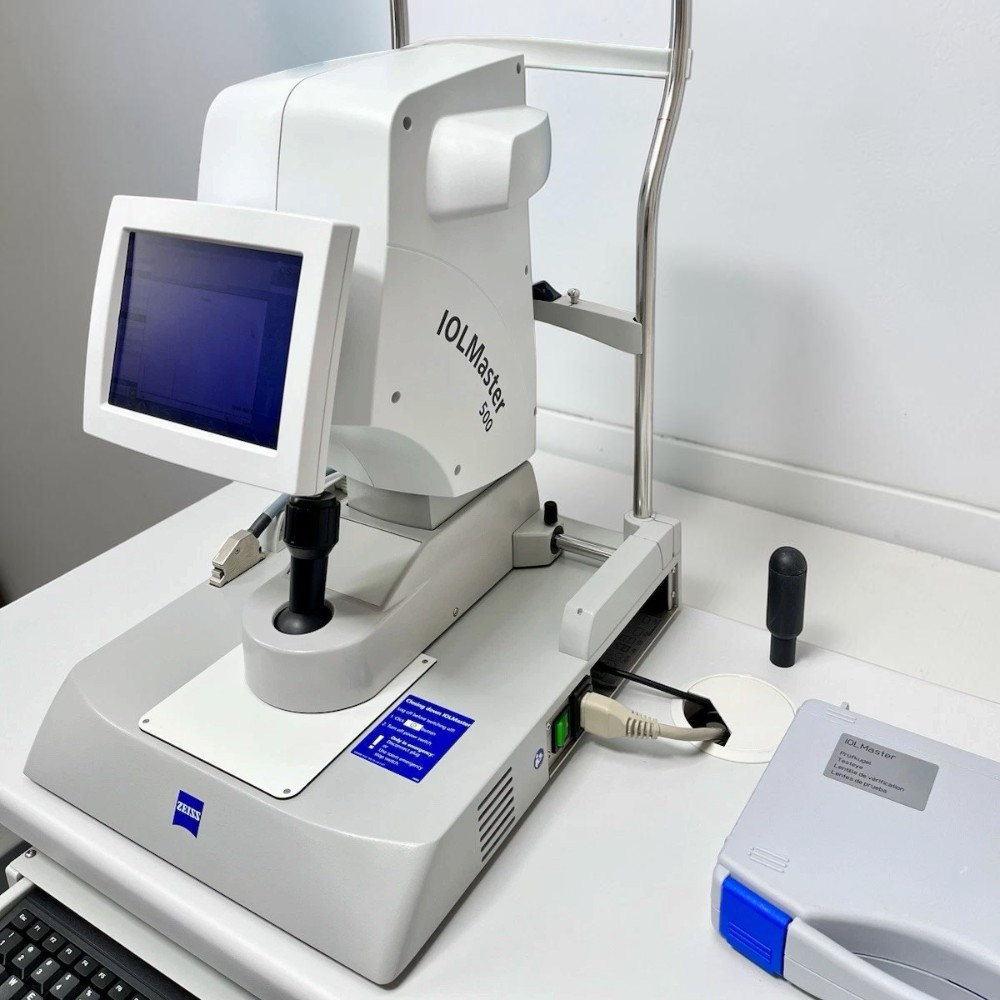
Iol biometry
Eye Biometry & Intraocular Lens Power Calculation (IOL Biometry)
Eye biometry and intraocular lens (IOL) power calculation are essential examinations before cataract surgery. They help the ophthalmologist determine the appropriate power of the artificial lens to be implanted in the eye, based on the patient's eye measurements and visual needs.
At Eye Care Center, different biometry techniques are available, including optical biometry and ultrasound biometry, allowing the appropriate examination method to be selected according to each patient's condition.
Types of Eye Biometry
1. Optical Biometry
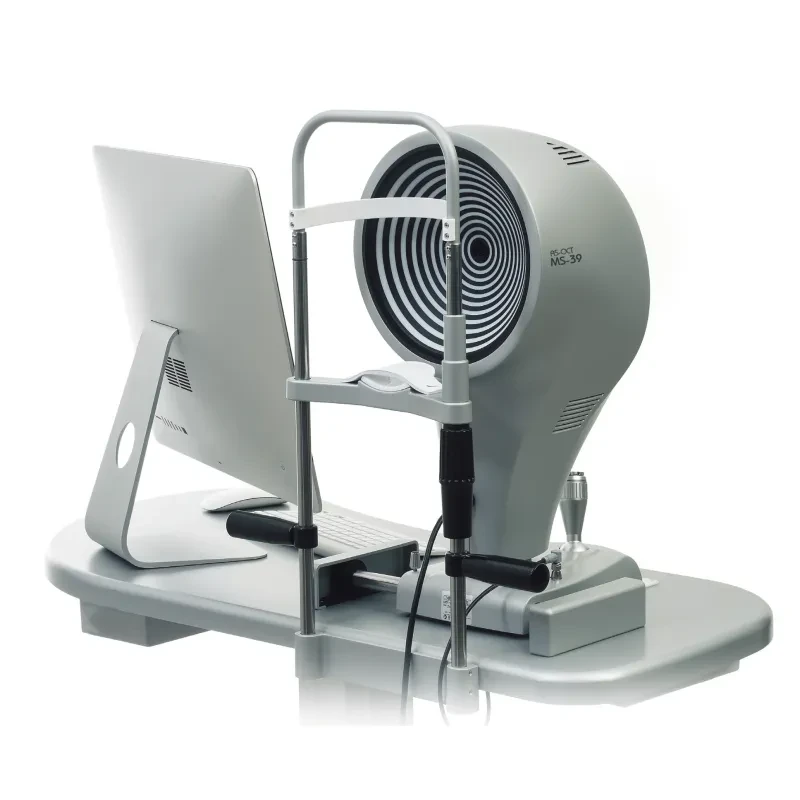
Optical biometry uses precise light-based technology to measure the dimensions of the eye without touching its surface. It is generally quick and highly accurate when the optical media allow reliable measurements.
This examination is usually non-contact and does not require anesthetic eye drops.
2. Ultrasound Biometry
Ultrasound biometry uses high-frequency sound waves to measure the axial length of the eye. It is particularly useful when reliable optical measurements cannot be obtained, such as in certain cases of very dense cataracts.
This technique provides the measurements needed to calculate intraocular lens power when optical biometry is not possible or reliable.
Why Is IOL Power Measurement Important?
The examination helps determine the appropriate artificial lens power for each patient by measuring several important parameters, including:
-
Axial Length: The distance from the front of the eye to the retina.
-
Keratometry: Measurement of the corneal curvature.
-
Anterior Chamber Depth: The distance between the cornea and the natural lens.
-
Additional Measurements: Other parameters used in specialized formulas to calculate the required IOL power.
These measurements are processed using specialized calculation formulas to estimate the appropriate lens power and help reduce the risk of refractive errors after surgery.
IOL Power Calculation in Special Cases
Some patients require specialized calculation methods when determining IOL power, particularly those who have previously undergone laser vision correction procedures such as LASIK, or retinal and vitreous surgeries, including procedures involving silicone oil injection.
In these cases, standard calculation methods may be less reliable. The ophthalmologist selects appropriate formulas based on the patient's surgical history and eye measurements to achieve the most accurate possible IOL power estimate.
Accurate preoperative biometry helps the ophthalmologist select the appropriate artificial lens and develop a treatment plan tailored to each patient's eye measurements and visual needs.



Connect Us